 Tick Control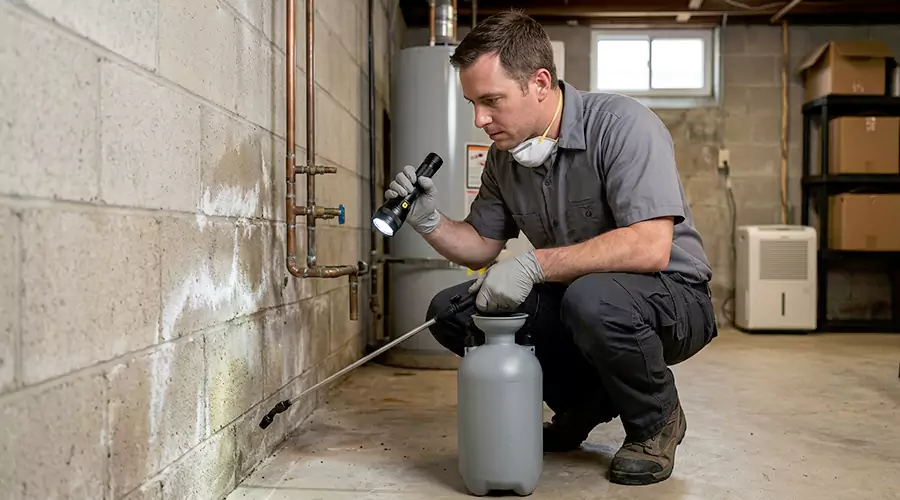
 Google Reviews
 (556)
(556)


Proudly American

 Termite Control
 Bed Bug Treatment
 Rodent Control
 Cockroach Control
 Ant Control
 Mosquito Control
 Bee Control
 Wildlife Control
 Exterminator Control
Moisture problems are one of the biggest reasons pests enter and stay inside a home. Many homeowners focus on food crumbs, trash, or open doors, but water is just as important. Pests need moisture to survive, and damp areas can create the perfect conditions for insects, rodents, termites, roaches, ants, mosquitoes, silverfish, and other pests.
A home does not have to be dirty to attract pests. A small plumbing leak, damp basement, clogged gutter, wet crawl space, poor bathroom ventilation, or condensation around windows can be enough to bring pests closer. Once pests find moisture, they may also find shelter, food, and nesting areas nearby.
Understanding how moisture problems attract pests can help homeowners prevent infestations before they become harder to control.
Pests need water just like people and animals do. Some pests drink from standing water, while others prefer damp wood, wet soil, humid air, or moist hiding places. When a home has ongoing moisture issues, it becomes more attractive to pests looking for survival conditions.
Moisture also softens certain materials. Damp wood, wet cardboard, and humid storage areas can become pest friendly. In some cases, moisture problems can also lead to mold, mildew, and rot, which may attract even more pest activity.
Moisture can come from many sources inside and outside the home. Some are obvious, while others stay hidden for months.
Common moisture problems include:
Even a slow leak can create a steady water source for pests.
Cockroaches are strongly attracted to moisture. They often hide in kitchens, bathrooms, laundry rooms, basements, and utility spaces because these areas provide water and shelter.
Roaches may gather near sinks, drains, leaky pipes, dishwashers, refrigerators, water heaters, and damp cabinets. A small drip under a sink can help roaches survive even when food sources are limited.
Signs of roach activity near moisture include:
Fixing leaks and drying damp spaces can make roach control more effective.
Moisture is a major termite risk factor. Termites are attracted to damp wood, soil contact, and areas where water collects near the foundation. A leaky pipe, poor drainage, or wet crawl space can create ideal termite conditions.
Termites can damage wooden framing, flooring, trim, decks, porches, and structural supports. Because they often work from hidden areas, homeowners may not notice damage right away.
Termite risk areas include:
Reducing moisture around the foundation is an important part of termite prevention.
Ants often enter homes looking for food, but they also search for water. Bathrooms, kitchens, laundry rooms, and damp wall areas can attract ant activity.
You may see ants near sinks, tubs, toilets, windows, or baseboards. If ants keep appearing in a bathroom, there may be a moisture source nearby.
Common ant moisture sources include:
Cleaning ant trails helps, but fixing moisture is also important for long term control.
Mosquitoes need standing water to breed. While mosquitoes are usually considered an outdoor pest, standing water near the home can increase activity around doors, patios, garages, and entry points.
Common mosquito breeding areas include:
Removing standing water is one of the most effective mosquito prevention steps. Even small amounts of water can become a breeding area if left for several days.
Silverfish are often found in damp, dark areas. They may appear in bathrooms, basements, laundry rooms, closets, attics, and storage areas with high humidity.
They are attracted to moisture and may feed on paper, cardboard, books, glue, fabric, and stored items. If you keep seeing silverfish, the home may have a humidity problem.
Reducing humidity, improving ventilation, and storing paper items in sealed containers can help reduce silverfish activity.
Rodents are usually attracted by food and shelter, but water also helps them stay inside. Leaks, pet bowls, condensation, and damp crawl spaces can support rodent activity.
Mice and rats may nest in wall voids, attics, garages, basements, and crawl spaces. If moisture is present, these areas become even more attractive.
Rodents may also damage insulation, chew wires, contaminate surfaces, and create odors. A complete rodent control plan should include sealing entry points, removing food sources, reducing clutter, and correcting moisture problems.
Moisture often collects in hidden places where pests like to hide. These areas are not checked often, which allows pest activity to grow quietly.
Hidden moisture areas include:
If pests keep returning, a hidden moisture problem may be part of the reason.
Homeowners should watch for signs that moisture and pests are connected. These signs may appear together in the same area.
Look for:
If these signs are present, pest treatment alone may not solve the problem. The moisture source also needs attention.
The best way to reduce moisture related pest activity is to remove water sources and keep damp areas dry.
Helpful steps include:
These steps make your home less attractive to pests and also help prevent mold and water damage.
Call a pest control company if pests keep returning near damp areas, spread to multiple rooms, or appear with signs of leaks, mold, or water damage. Professional help is also important for termites, roaches, rodents, and recurring ant problems.
A pest control expert can inspect the home, identify pest activity, find moisture related attractants, and recommend treatment and prevention steps.
Moisture problems attract pests because water helps them survive, hide, and reproduce. Leaky pipes, damp basements, crawl space moisture, clogged gutters, poor ventilation, condensation, and standing water can all bring pests closer to your home.
If you want better pest prevention, start by controlling moisture. Fix leaks, dry damp spaces, improve ventilation, clean gutters, remove standing water, and inspect hidden areas regularly. If pests continue appearing near wet areas, schedule a professional pest inspection to find the source and create a long term solution.